
Pipeline Corrosion Prevention Methods for Oil & Natural Gas Lines
Pipeline explosions over the years have alerted us to the consequence of pipeline corrosion. As a distributor of pipeline corrosion prevention products, I wanted to discuss successful corrosion prevention methods.
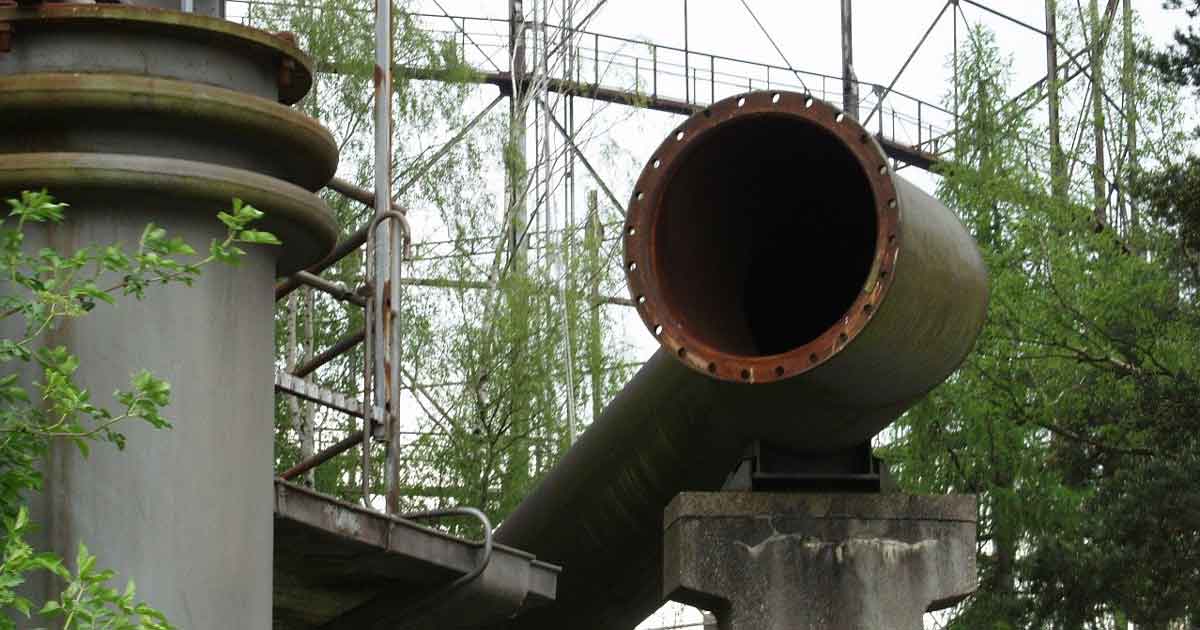
Gas pipe corroded at a flange.
Successful methods to prevent corrosion in pipelines
Unprotected pipelines corrode, whether buried, aboveground, or in water. Without implementing safety measures and having a corrosion control program, corrosion makes transporting hazardous material unsafe.
A successful corrosion control program is a never-ending practice. It begins with an efficient design and installation of the pipeline, executing corrosion control methods, and maintaining and monitoring the lines.
Cathodic Protection
Cathodic protection (CP) is a method to control corrosion by using a direct electrical current that neutralizes external corrosion typically associated with a metal pipe. It is generally used when a pipeline is buried underground or in water. When executed on a new pipeline, cathodic protection can prevent corrosion from the start. On an older pipeline, cathodic protection can impede existing corrosion of the line.
Flange isolation and joint isolation are two ways of preventing electrochemical reactions from occurring between two different metals by breaking the metal path or preventing the current in the cathodic protection (CP) system from traveling beyond the area protected by the CP system.
Coatings and Linings
The Trenton Corporation produces efficient, long-lasting anti-corrosion materials, including Wax-Tape™ wraps, primers, outer wraps, and hot-applied coatings. Coatings and linings are applied to pipelines, above or below ground, and often combined with cathodic protection. Fiber-reinforced polymers may also strengthen and repair pipes.
Corrosion Inhibitors
Corrosion inhibitors are compounds added to the upstream pipeline to inhibit the corrosion of carbon and low-alloy steel pipe.
Pipeline Material
Pipeline material used will also significantly influence corrosion. Using materials like plastic, stainless steel, or special alloys enhances the pipeline’s lifetime, while steel or steel-reinforced concrete is subject to corrosion.
Linc Energy Systems is a distributor of Trenton Corporation‘s anti-corrosion products and Barlow monolithic isolating joints. If you need assistance with your projects, submit a “request a quote” now or visit our Sales Team page and request assistance.





I was shocked to learn that an oil pipeline’s thickness is only 1/4″ to 1/2″. Considering that the pipes are made of carbon steel and iron, both of which rust like crazy, this seems unacceptable. If we can put a man on the moon, we can find a way to make safe oil pipelines.
Very good!I like this article,Please pay attention to our corrosion inhibitor factory.
Dear Susan, I would like to consult you with the following situation. I work at an oil industry, and we have some steel pipes which are not well preserved and will remain stored for at least a year. Our industry is located near the sea so it is urgent for us to apply the necessary anti-corrosive product ASAP. Please help us if possible. Thanks in advance for you assistance
Lusmari the best way to handle this request is to email us at info@lincenergysystems.com.
Insulation tape wrapping above-ground LPG flanges I understand is not the recommended practice, due to potential for corrosion underneath which could go unobserved. Agree? Is this specified in any standard or guideline?